
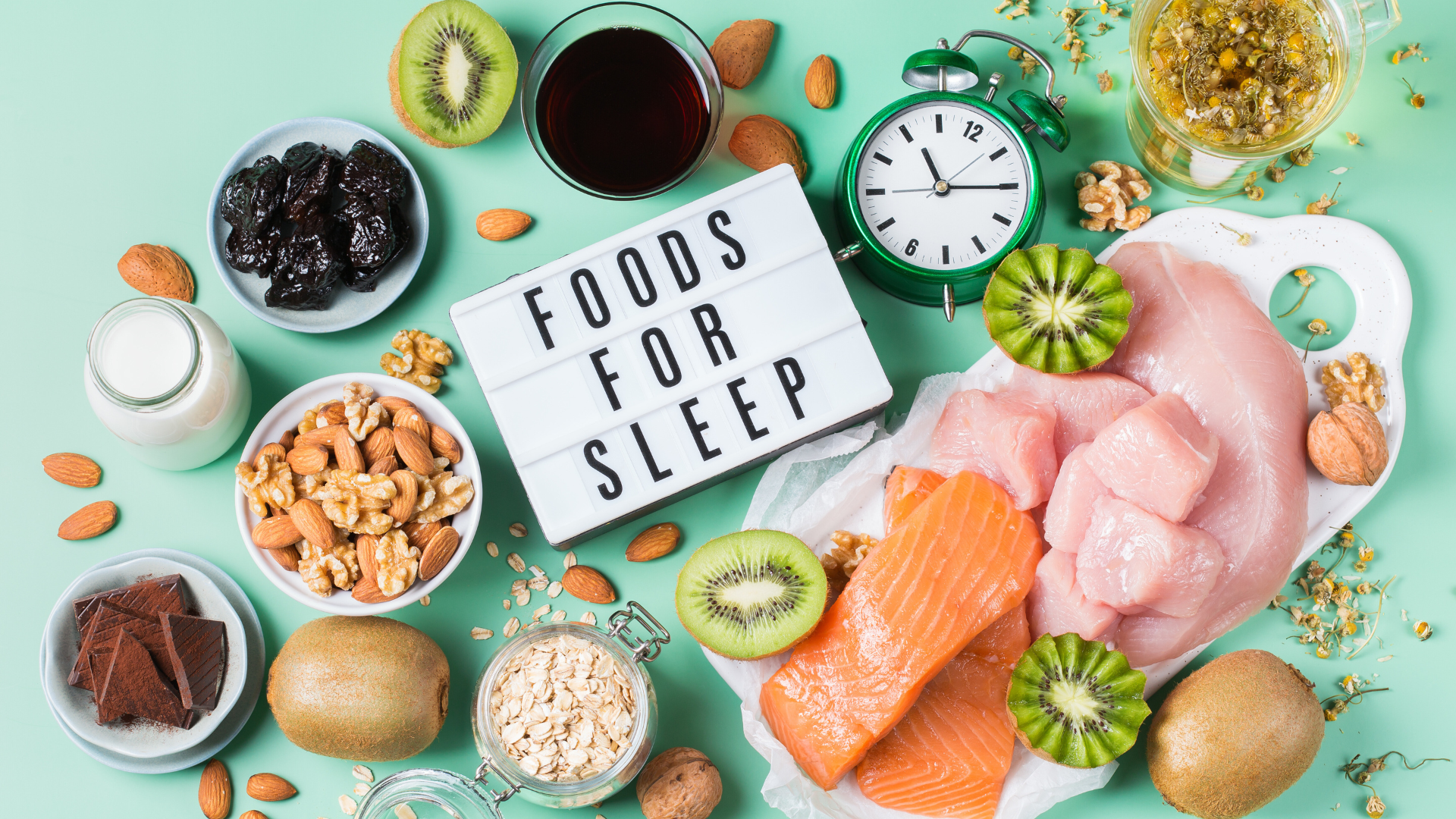
Many people struggle with poor sleep despite trying various methods. Diet plays a significant role in achieving restful and restorative sleep. Certain foods naturally support better sleep by promoting deep sleep and improving overall sleep quality.
Incorporating these foods into daily meals can help reduce insomnia symptoms and encourage a healthy sleep cycle. Understanding how specific nutrients affect sleep allows individuals to make informed choices for a good night’s sleep. This article explores which foods have proven benefits for enhancing sleep naturally.
How Food Influences Sleep Mechanisms
Certain nutrients directly affect brain chemistry and hormone production, which regulate sleep cycles. Balancing these elements through diet can encourage natural sleep onset and maintain sleep quality.
The Role of Tryptophan, Serotonin, and Melatonin
Tryptophan is an essential amino acid found in foods like turkey, nuts, and dairy. It crosses the blood-brain barrier and converts into serotonin, a key neurotransmitter that promotes calmness and relaxation.
Serotonin then serves as a precursor to melatonin, the hormone responsible for signalling the body to prepare for sleep. Melatonin production mainly occurs in the pineal gland and is influenced by light exposure and tryptophan availability.
Adequate dietary tryptophan supports steady serotonin levels, which stabilise melatonin synthesis. This chain reaction helps regulate circadian rhythms, promoting consistent sleep timing.
The Impact of Carbohydrates and Blood Sugar
Carbohydrates influence sleep by affecting insulin release and tryptophan uptake in the brain. Insulin helps cells absorb glucose and can increase tryptophan concentration in the bloodstream relative to other amino acids.
High-glycaemic-index carbs consumed 1-2 hours before sleep have been shown to reduce sleep latency by boosting tryptophan access to the brain. However, excessive intake can cause unstable blood sugar levels and disrupt sleep patterns.
Balancing complex carbohydrates with protein and fat supports steady insulin release, preventing spikes and crashes that interfere with sleep quality.
Nutrients Critical for Sleep Regulation
Magnesium, calcium, potassium, and vitamin D all play vital roles in sleep health. Magnesium supports GABA activity, the neurotransmitter that reduces neuronal excitability, encouraging relaxation.
Calcium assists in melatonin synthesis and helps regulate nerve impulses that control muscle contractions. Potassium influences the regulation of sleep cycles by maintaining cell function in the brain.
Vitamin D deficiency correlates with poor sleep duration and quality, as it affects serotonin production and inflammatory responses, impacting sleep regulation.
A diet rich in these minerals and vitamins supports biochemical pathways that improve both sleep onset and maintenance.
Top Sleep-Supportive Foods and Their Benefits
Certain foods contain key nutrients that influence sleep quality by promoting relaxation and regulating sleep hormones like melatonin and serotonin. These foods provide natural compounds such as magnesium, tryptophan, and omega-3 fatty acids, which contribute to better sleep patterns.
Dairy Products and Warm Milk
Dairy products like low-fat cottage cheese and warm milk are rich sources of tryptophan, an amino acid essential for producing serotonin and melatonin. Serotonin aids relaxation, while melatonin regulates the sleep-wake cycle.
Warm milk may enhance the calming effect due to its temperature, which can promote comfort before bedtime. Low-fat cottage cheese also provides calcium, which helps the brain use tryptophan to manufacture melatonin efficiently.
Including dairy in an evening snack supports stable blood sugar levels, reducing nighttime wakefulness. It is a practical option for those seeking a natural way to enhance sleep without medication.
Tart Cherries and Cherry Juice
Tart cherries and tart cherry juice are natural sources of melatonin, the hormone that controls sleep timing. Consuming tart cherry juice has been shown to increase melatonin levels and improve sleep duration in clinical studies.
They also contain antioxidants, which may reduce inflammation, supporting overall sleep quality. Tart cherries can be consumed as whole fruit or juice, with juice being a convenient way to access concentrated melatonin.
A small serving of tart cherry juice before bed may help individuals who have difficulty falling or staying asleep. It is a plant-based option for those preferring to avoid dairy or fish.
Fatty Fish and Oily Fish
Fatty fish such as salmon are high in omega-3 fatty acids and vitamin D, both linked to improved sleep quality. Omega-3s may regulate the production of melatonin and reduce inflammation that can interfere with sleep.
Vitamin D deficiency is associated with shorter sleep duration, so eating oily fish can address this issue naturally. Regular consumption of salmon or similar fatty fish supports brain function and the body’s internal clock.
Including fatty fish in the diet a few times per week provides these essential nutrients, which influence sleep through hormonal regulation and cognitive health.
Whole Grains and Oats
Whole grains, including oats, oatmeal, brown rice, barley, quinoa, and whole-grain pita chips, offer complex carbohydrates that facilitate tryptophan’s entry into the brain. This promotes serotonin production, enhancing sleep quality.
Oats and other whole grains also contain magnesium, a mineral known to relax muscles and calm the nervous system. Eating a small portion of whole grains in the evening can stabilise blood sugar and prepare the body for restful sleep.
Choosing whole grains over refined carbohydrates helps maintain balanced energy levels, reducing nighttime awakenings or restless sleep. This makes them an effective component of a sleep-friendly diet.
Plant-Based Foods That Enhance Sleep
Certain plant-based foods contain key nutrients that regulate sleep hormones and improve sleep quality. These include sources of magnesium, potassium, and compounds that promote the production of melatonin and serotonin.
Nuts, Almonds, and Seeds
Almonds are rich in magnesium, which helps relax muscles and promote deep sleep. They also contain melatonin, a hormone that regulates the sleep-wake cycle.
Other nuts like walnuts provide omega-3 fatty acids that support brain health and reduce inflammation, aiding sleep. Pumpkin seeds are a valuable source of tryptophan, an amino acid that boosts serotonin and melatonin production.
Peanuts and natural peanut butter can also contribute modest amounts of magnesium and healthy fats, which stabilise blood sugar and prevent night-time awakenings.
Leafy Greens and Fresh Herbs
Leafy greens such as spinach and kale are high in magnesium and calcium, both important for nerve function and sleep regulation. Calcium helps the brain use the amino acid tryptophan to manufacture melatonin.
Fresh herbs like sage and basil contain antioxidants and compounds that may reduce anxiety and promote relaxation. Incorporating these into meals can support a calming bedtime routine.
These vegetables also offer B vitamins, which assist in serotonin production, improving mood and sleep quality.
Bananas and Other Potassium-Rich Fruits
Bananas provide potassium and magnesium, minerals that help relax muscles and nerve endings. Their natural sugars and carbohydrates increase tryptophan’s availability in the brain.
Other potassium-rich fruits like kiwi and melon may also improve sleep latency and duration by balancing electrolytes and blood pressure overnight.
Bananas’ vitamin B6 content is crucial for converting tryptophan into serotonin and melatonin, essential for maintaining a regular sleep cycle.
Enhancing Sleep Through Diet and Lifestyle Habits
Regulating meal timing and choosing appropriate foods plays a key role in supporting the natural sleep cycle. Certain snacks and dietary patterns can promote rest, while others may disrupt it. Tailoring dietary habits can also benefit individuals with chronic conditions like diabetes and heart disease, improving both sleep quality and overall health.
Optimal Timing and Meal Patterns for Sleep
Eating large meals close to bedtime can interfere with sleep by causing indigestion or acid reflux. It is recommended to finish dinner at least 2-3 hours before sleep to allow adequate digestion. Smaller, balanced meals throughout the day may help maintain stable blood sugar levels, which supports consistent sleep patterns.
Consistent meal times help regulate the body’s internal clock, aligning with the circadian rhythm. Avoiding caffeine and heavy, spicy foods late in the day reduces the chance of sleep disruption. Hydration is important, but should be moderated in the evening to prevent nocturnal awakenings.
Bedtime Snack Ideas for Better Rest
A light snack before bed can encourage sleep by increasing the production of serotonin and melatonin. Options rich in tryptophan, magnesium, or complex carbohydrates are advisable. For example:
- A small bowl of oats with a few almonds
- A banana with peanut butter
- Wholegrain crackers with low-fat cheese
Herbal teas, particularly chamomile tea, are commonly used for their calming effects. Chamomile contains antioxidants that may promote relaxation and help reduce sleep latency when consumed 30 minutes before bed. Avoid sugary and high-fat snacks that can destabilise blood sugar and disrupt sleep.
Dietary Approaches for Chronic Conditions and Sleep
Individuals with chronic conditions such as heart disease or diabetes should prioritise foods that stabilise blood glucose and support cardiovascular health. A Mediterranean-style diet rich in fruits, vegetables, whole grains, nuts, and olive oil is beneficial. Such a diet can enhance sleep quality by reducing inflammation and improving metabolic function.
Restricting late-night eating helps prevent blood sugar spikes that interfere with sleep. Patients with diabetes should monitor snack choices to avoid nocturnal hypoglycaemia, which disrupts sleep cycles. Incorporating magnesium-rich foods, like spinach and pumpkin seeds, may aid in muscle relaxation and sleep maintenance.