
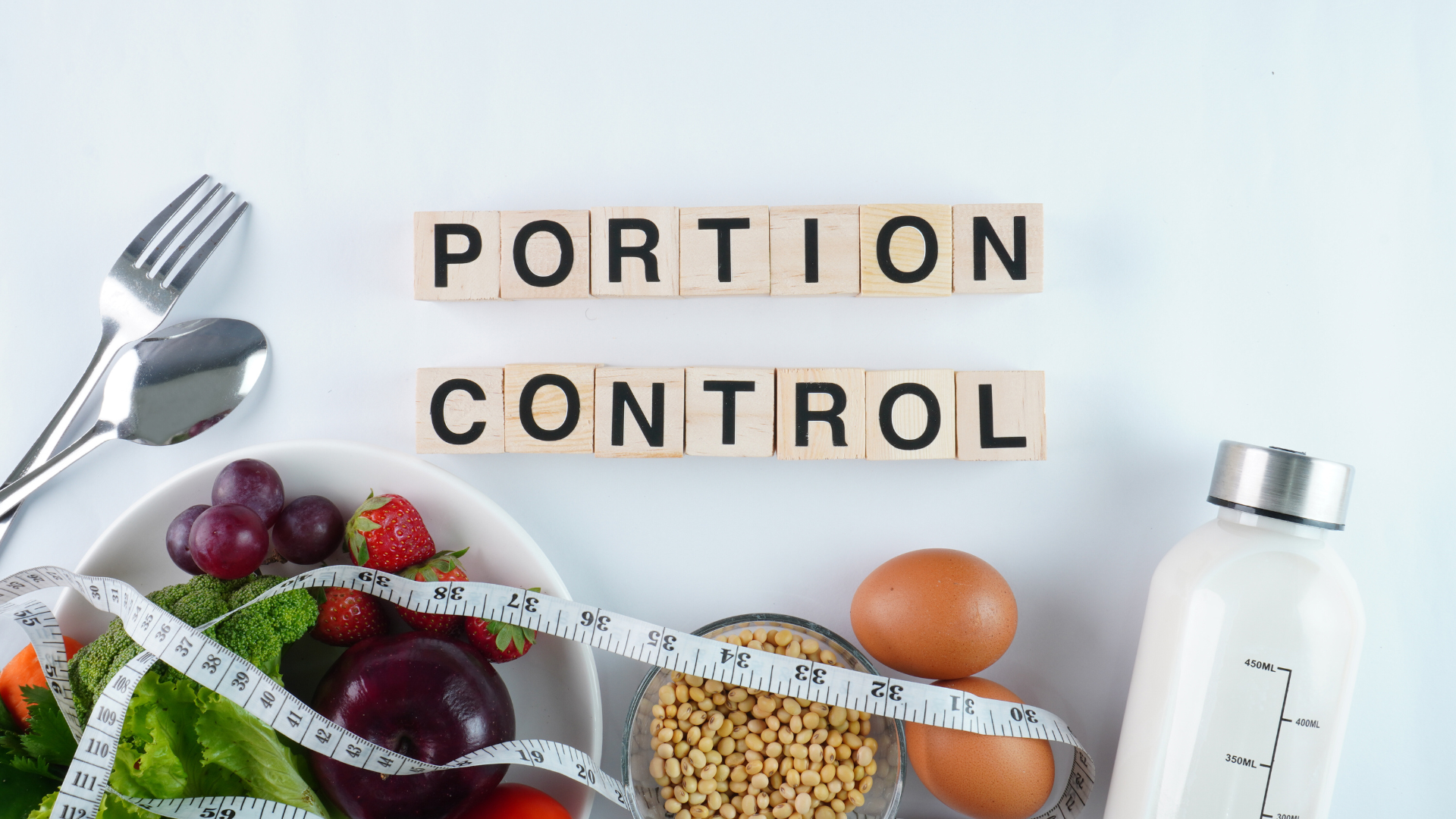
Portion control plays a crucial role in effective weight management by helping regulate calorie intake without the need for drastic dietary changes. By managing the amount of food consumed, individuals can maintain a balance between energy input and output, which is essential for achieving or sustaining a healthy weight.
Many people underestimate how portion sizes influence their eating habits, often leading to unintentional overeating. Understanding and applying portion control allows for greater awareness of food consumption and better decision-making at mealtimes.
This approach can be integrated into any diet, making it a practical tool for long-term weight management. Exploring portion control techniques provides insight into how small adjustments can lead to significant health benefits over time.
Understanding Portion Control and Its Importance
Portion control involves managing the amount of food consumed at one time to align with nutritional needs. It directly affects calorie intake, which is a key factor in maintaining or adjusting body weight. Large portions can lead to unintentional overeating, impacting overall health.
What Is Portion Control?
Portion control is the practice of regulating the volume of food eaten in a single serving. It differs from serving size, which is a standardised measurement used on food packaging. Portion control helps individuals avoid eating excessive calories by keeping intake within appropriate limits.
Tools like measuring cups, food scales, or visual cues (for example, a fist or palm size) assist in controlling portion sizes effectively. Adopting portion control supports balanced nutrition and helps prevent weight gain, especially when combined with mindful eating habits.
The Relationship Between Portion Sizes and Weight Management
The size of portions consumed greatly influences daily calorie intake. Larger portions typically contain more calories, which can contribute to weight gain if not balanced with physical activity.
Research shows that people often eat more when presented with bigger servings, regardless of hunger levels. Controlling portion sizes helps maintain energy balance by limiting excess calorie consumption, which is essential for managing body weight and reducing obesity risk.
Consequences of Oversized Portions
Eating oversized portions regularly can lead to an increase in calorie intake beyond metabolic needs. This excess often results in gradual weight gain and can contribute to the development of obesity.
In addition, consistently large portions may disrupt hunger and satiety signals, making it harder to recognise when the body is satisfied. This can create a cycle of overeating and weight management challenges. Using portion control can break this cycle and promote a healthier relationship with food.
How Portion Control Supports Healthy Weight
Portion control is essential for managing energy balance, helping individuals regulate their food consumption. It provides a practical way to adjust calorie intake, prevent excessive eating, and support long-term weight stability.
Regulating Calorie Intake
Portion control directly influences the amount of calories consumed at each meal. By measuring serving sizes or using simple guidelines, individuals can avoid unknowingly eating more calories than needed.
For example, choosing a smaller plate or dividing a dish into single servings helps maintain a calorie target aligned with daily needs. Tracking portion sizes ensures calorie intake fits within weight management goals without the need for complex dieting.
Preventing Overeating and Weight Gain
Consistently controlling portions reduces the risk of overeating, a common cause of weight gain. Eating large portions often leads to consuming more calories than the body burns, resulting in fat storage over time.
Portion control creates awareness of true hunger versus habitual or emotional eating. It helps individuals stop eating once satisfied rather than continuing until the plate is empty, which can prevent excess calorie accumulation and subsequent weight gain.
Achieving and Maintaining Weight Loss
For weight loss, reducing portion sizes lowers calorie intake while still allowing for nutrient-dense foods in reasonable quantities. This balanced approach supports fat loss without severe restriction, which can be unsustainable.
After weight loss, portion control remains vital to avoid regaining weight. It encourages consistent calorie control to maintain a stable, healthy weight. People who master portion sizes find it easier to sustain changes and prevent returning to higher-calorie habits.
Implementing Practical Portion Control Strategies
Effective portion control involves simple, concrete actions that help regulate food intake consistently. Strategies focus on adjusting visual cues, measuring servings realistically, and changing behaviour around eating habits.
Using Smaller Plates and Containers
Using smaller plates reduces the amount of food served without the need to measure precisely. Research shows that people tend to fill their plates regardless of size, so smaller dishes naturally lead to smaller portions.
Containers for storage should also be appropriately sized to avoid overeating from large portions. Choosing containers with sections or standard volumes helps maintain consistent portion sizes.
Visual tricks, like contrasting plate colour with food, can further make portions appear larger, aiding satisfaction while eating less. This method supports portion control by influencing perception rather than relying solely on willpower.
Identifying Appropriate Serving Sizes
Understanding correct serving sizes is essential to avoid unintentional overeating. Standard guidelines recommend using household items as references—for example, a fist equals one cup or a thumb the size of one tablespoon.
Measuring with scales or measuring cups initially can build awareness, but visual estimation should become the goal. Reading food labels helps distinguish a single serving from the entire package.
Accurate serving sizes depend on the type of food—carbohydrates, proteins, and fats require different portions to meet nutritional needs. Keeping a reference list or chart visible in the kitchen can provide quick reminders.
Pre-Portioning Snacks and Meals
Pre-portioning involves dividing snacks or meals into single-serving packages before consumption, reducing impulsive overeating. This technique removes the guesswork and limits temptation to eat directly from large bags or containers.
It is effective for snacks high in calories, such as nuts and crisps, where it is easy to consume excessive amounts unintentionally. Preparing meals in advance and packaging them helps control calorie intake and supports meal planning.
Using airtight containers or resealable bags maintains freshness while allowing portion control to become a consistent habit. This method encourages mindful planning rather than reactive eating.
Practising Mindful Eating
Mindful eating encourages paying attention to hunger signals and eating slowly, which aligns portion size with actual energy needs. It breaks automatic eating patterns and supports recognition of fullness cues.
Techniques include chewing thoroughly, pausing between bites, and removing distractions during meals, such as television or mobile devices. This increases awareness of the food’s flavour and satisfaction level.
Mindful eating can reduce the tendency to overconsume and encourage appreciation for food quality over quantity. It complements physical portion control methods by fostering a healthy relationship with eating.
Health Benefits Beyond Weight Management
Portion control supports more than just weight loss. It also plays a crucial role in preventing chronic illnesses and ensuring balanced nutrient intake, which contributes to overall health.
Reducing the Risk of Obesity-Related Diseases
Managing portion sizes helps lower calorie intake, directly impacting the risk of obesity. Obesity increases the likelihood of developing type 2 diabetes, heart disease, and certain cancers.
Smaller portions reduce strain on the body’s metabolism. This limits blood sugar spikes and helps maintain healthy insulin levels, which is vital for diabetes prevention.
Portion control also supports heart health by preventing excessive intake of fats and sodium. This reduces the risk of hypertension and cardiovascular complications linked to being overweight.
Balancing Nutrition and Food Variety
Controlling portions encourages mindful eating and better nutrient distribution throughout the day. It helps avoid overeating high-calorie foods that are low in essential vitamins and minerals.
By limiting large servings, individuals can include a wider variety of foods such as fruits, vegetables, lean proteins, and whole grains in their diet. This variety improves overall nutrient intake without increasing energy consumption.
This approach makes it easier to meet daily nutritional requirements and maintain a balanced diet, reducing deficiencies and supporting long-term health.