
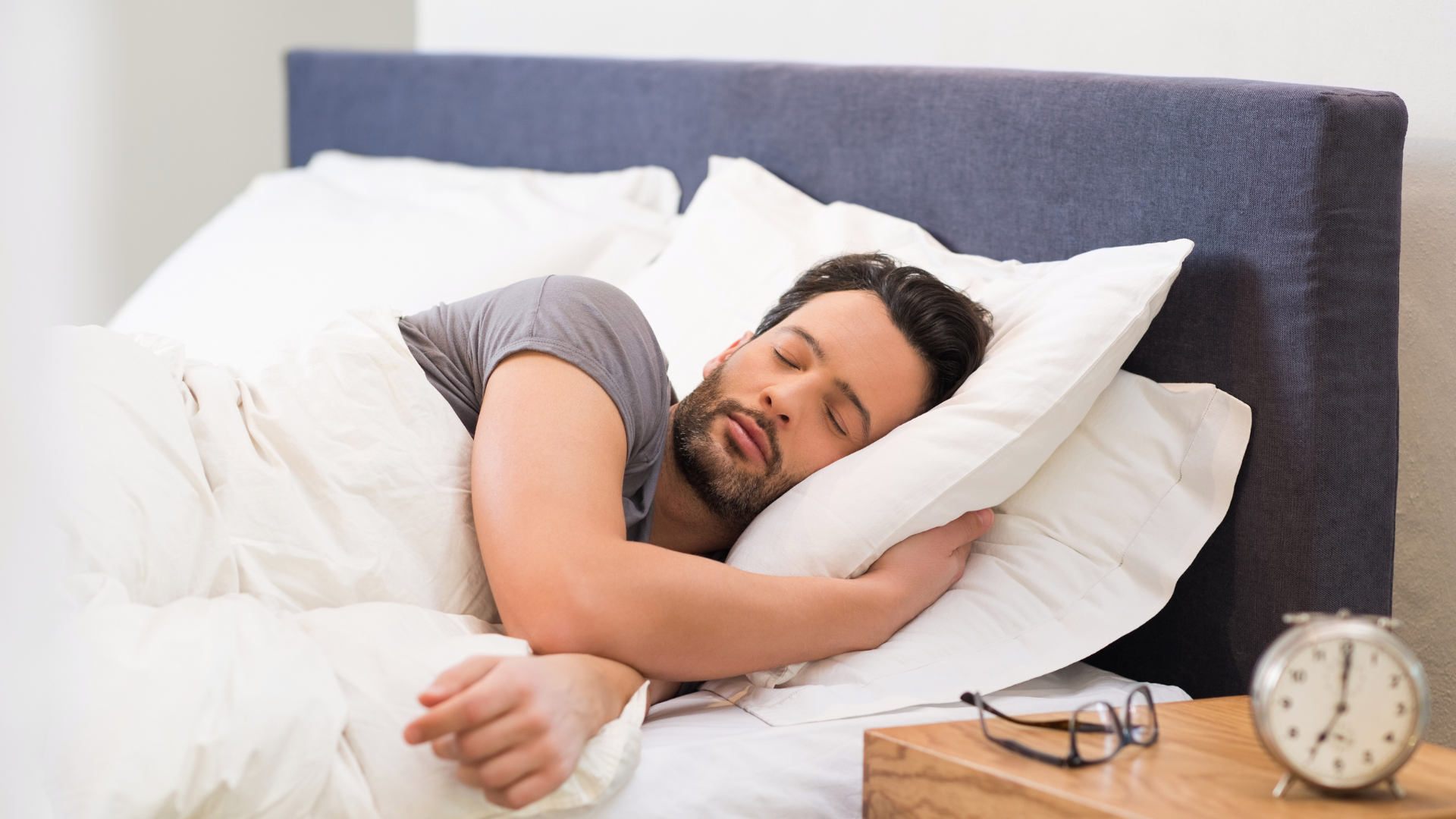
Light exercises can play a significant role in improving sleep quality by promoting relaxation and reducing stress. Gentle movements such as stretching or walking help prepare the body for rest without causing overstimulation. Engaging in light exercise daily has been shown to ease the transition into deeper, more restorative sleep cycles.
These activities stimulate circulation and release tension stored in muscles, making it easier to fall asleep and stay asleep through the night. Unlike intense workouts, light exercises do not raise adrenaline levels, allowing the body to wind down naturally.
By establishing a routine of simple physical movements, individuals may enhance their overall sleep patterns. Understanding which exercises are effective can help maximise the benefits without interfering with bedtime.
How Light Exercise Improves Sleep Quality
Light exercise influences multiple aspects of sleep, including the ability to fall asleep faster, the reduction of insomnia symptoms, and overall improvements in sleep quality. These benefits arise from physiological and psychological changes triggered by gentle physical activity.
Benefits of Light Exercise on Sleep Patterns
Light exercise helps regulate the body’s circadian rhythm, which controls sleep-wake cycles. Activities like walking or stretching increase body temperature temporarily. When the temperature drops afterward, it signals the brain to prepare for sleep.
Moderate movement also reduces stress hormones such as cortisol, creating favourable conditions for restful sleep. Studies show light exercise can increase the duration of deep sleep phases, essential for physical restoration and memory consolidation.
Consistent low-intensity workouts promote more stable sleep patterns, decreasing nighttime awakenings. Unlike vigorous exercise, light activity avoids overstimulation that might delay sleep onset.
Role of Exercise in Reducing Insomnia
Insomnia, characterised by difficulty falling or staying asleep, often responds well to light exercise. Gentle daily routines like yoga or tai chi can ease symptoms by lowering anxiety levels and calming the nervous system.
Exercise increases the production of neurotransmitters like serotonin, which regulate mood and sleep cycles. This neurochemical effect can reduce the cognitive hyperarousal often associated with insomnia.
Light exercise is less likely to cause physical discomfort or fatigue that might interfere with sleep. Performing it earlier in the day prevents interference with the body’s natural wind-down process.
Impact on Falling Asleep Faster
Light exercise shortens the time taken to fall asleep by enhancing relaxation and reducing mental alertness. Simple movements trigger the release of endorphins and reduce adrenaline, helping the brain transition from wakefulness to sleep mode.
Increased physical activity also promotes mild fatigue without excessive tiredness, allowing a smoother descent into sleep. This effect is especially noticeable in people who maintain light routines consistently over weeks or months.
Scheduling light exercise at least a few hours before bedtime is important. Avoiding intense or late-night workouts prevents overstimulation that could delay sleep onset.
Best Light Exercises for Improving Sleep
Incorporating gentle physical activities can promote relaxation and help regulate the sleep cycle. These exercises target both body and mind, easing tension and preparing the system for rest.
Gentle Walking
Gentle walking is a simple way to enhance sleep quality without causing physical strain. A short, 20- to 30-minute walk in the early evening can reduce stress hormones and increase the production of serotonin, which supports mood regulation and sleep.
Walking at a comfortable pace improves circulation and helps lower heart rate, making it easier to fall asleep later. Avoid walking too close to bedtime to prevent overstimulation.
This low-impact exercise suits most fitness levels and requires no special equipment, making it accessible and effective.
Yoga and Stretching Routines
Yoga and stretching before bed can release muscle tension and promote relaxation. Poses like child’s pose, legs-up-the-wall, and gentle spinal twists encourage blood flow and stimulate the parasympathetic nervous system, which calms the body.
A routine of 10 to 20 minutes incorporating slow, mindful movements and deep breathing helps reduce anxiety and quiet the mind.
Focusing on slow transitions between poses enhances body awareness and supports a smoother transition to sleep.
Breathing Exercises
Breathing exercises specifically target the nervous system and can reduce insomnia symptoms. Slow, controlled breathing activates the parasympathetic nervous system, lowering heart rate and blood pressure.
Techniques such as box breathing (inhale for 4 seconds, hold 4 seconds, exhale 4 seconds, hold 4 seconds) or 4-7-8 breathing support relaxation.
Breathing exercises require no movement, making them ideal for those unable to perform physical activities. Regular practice can improve overall sleep onset and depth by calming the mind.
Tai Chi and Mindfulness Movements
Tai Chi blends gentle, flowing movements with focused breathing and mindfulness. This practice reduces stress and improves balance between mind and body. Sessions lasting 20 to 30 minutes can lower cortisol levels and enhance sleep quality.
Mindfulness movements in Tai Chi encourage present-moment awareness, reducing ruminative thoughts that interfere with rest.
Tai Chi is adaptable to all ages and abilities and emphasises smooth, controlled motions that promote relaxation without fatigue.
Practical Strategies for Better Sleep with Exercise
Exercise timing, establishing a calming nightly routine, and optimising the bedroom environment all play crucial roles in improving sleep quality. These strategies work together to reduce factors like poor sleep and ensure restfulness.
Timing Your Exercise for Optimal Results
Exercise too close to bedtime can raise heart rate and body temperature, making it harder to fall asleep. Ideally, moderate physical activity should be completed at least 2 to 3 hours before going to bed. This gap allows the body to cool down and relax.
Morning or early afternoon exercise sessions often improve sleep more consistently. However, light activities like stretching or gentle yoga in the evening can promote relaxation without causing alertness. Avoid vigorous workouts late at night to prevent interruptions to the sleep cycle.
Creating a Sleep-Enhancing Bedtime Routine
A predictable bedtime routine signals the body that it is time to wind down. Incorporating light exercises such as gentle stretches or breathing exercises can reduce muscle tension and mental stress.
Consistency is key: going to bed and waking at the same time daily supports the body’s internal clock. Combining calming physical activity with other techniques like reading or dimming lights strengthens the transition to restful sleep.
Using Earplugs and Other Tools for an Improved Sleep Environment
Noise disturbances often contribute to poor sleep quality. Using earplugs can effectively block out unwanted sounds, aiding in uninterrupted rest. High-quality earplugs should fit comfortably and reduce noise without causing discomfort.
Other helpful tools include blackout curtains, white noise machines, and maintaining a cool, dark room. These environmental adjustments work with exercise habits to promote deeper, more restorative sleep.