
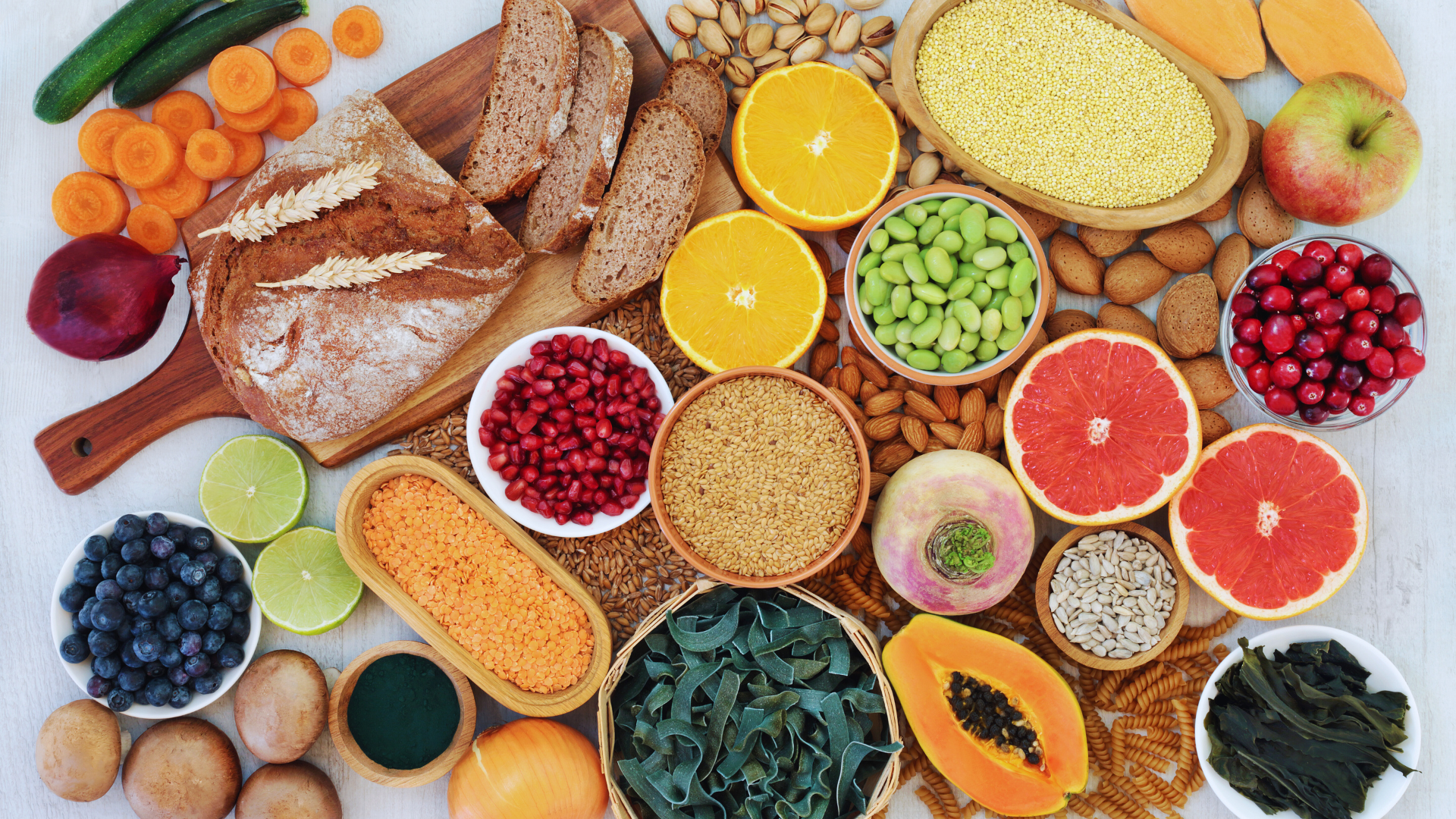
Increasing fibre intake can improve digestion, support weight management, and contribute to overall health. Many people struggle to eat enough fibre, but there are simple changes that can easily boost daily intake without major effort.
Adding fibre-rich foods like whole grains, legumes, vegetables, and fruits to meals is the most effective way to increase fibre intake. These ingredients can be incorporated into breakfasts, lunches, dinners, and snacks with minimal adjustment.
Small swaps and additions, such as choosing brown rice instead of white or sprinkling seeds on salads, provide substantial fibre benefits. Understanding these easy strategies can help anyone enhance their diet naturally and consistently.
Simple Strategies to Boost Fibre At Every Meal
Fibre can be increased by choosing whole grains, incorporating pulses and legumes, and eating more fruits and vegetables with their skins. These practical adjustments fit easily into everyday eating habits.
Upgrade to Whole Grains
Switching from refined grains to whole grains significantly raises fibre intake. Whole grains like brown rice, quinoa, whole wheat, and oats retain bran and germ, which contain most of the fibre.
For example, replacing white bread with wholemeal bread or choosing wholegrain pasta over regular pasta adds more dietary fibre without changing the meal’s base.
Cooking with wholegrain cereals such as barley or buckwheat can also diversify fibre sources. Whole grains improve digestion and help maintain steady energy levels.
Add More Pulses and Legumes
Pulses and legumes—such as lentils, chickpeas, black beans, and split peas—are rich in both soluble and insoluble fibre. Including these in soups, stews, salads, or as main dish components boosts the meal’s fibre content substantially.
They also provide plant-based protein, making meals more filling and balanced. Cooking dry beans or using canned legumes (rinsed) offers convenience without sacrificing fibre.
Adding a serving or two per day can increase fibre intake by several grams, supporting digestive health and helping control blood sugar.
Increase Fruits and Vegetables with Edible Skins
Eating fruits and vegetables without peeling preserves much of their fibre. Skins often contain a high percentage of the fibre content.
Examples include apples, pears, cucumbers, potatoes, carrots, and zucchini. Washing thoroughly and eating skins provides extra fibre along with vitamins and antioxidants.
For maximum benefit, choose a variety of colours and types. Incorporating these into snacks, side dishes, and salads is an easy way to add fibre consistently.
Incorporating Fibre Into Everyday Recipes
Adding fibre to daily meals can be straightforward with simple ingredient swaps and additions. Using wholegrain flours, seeds, nuts, and dried fruits can significantly boost fibre content without complicating recipes.
Baking with Wholemeal Flour
Wholemeal flour contains the bran and germ of the wheat grain, providing more fibre than white flour. It can be used in bread, muffins, pancakes, and cakes, often replacing half or all of the white flour in recipes.
When baking, wholemeal flour may change the texture and require slight adjustments in liquid amounts. It tends to absorb more moisture, so adding a little extra water or milk helps maintain softness. The flavour is nuttier and can enrich sweet or savoury baked goods.
Using wholemeal flour increases dietary fibre and adds important nutrients like B vitamins and minerals. It is a simple step that enhances both texture and nutritional value in baked treats.
Enhancing Dishes with Seeds and Nuts
Seeds such as chia, flax, and pumpkin are high in fibre and easy to include in meals. They can be sprinkled over salads, stirred into yoghurts, or mixed into porridge. Nuts like almonds, walnuts, and pistachios also add fibre alongside healthy fats and protein.
Adding a tablespoon of seeds or a small handful of nuts daily benefits digestion and helps meet fibre intake goals. Seeds can also provide a crunchy texture and mild flavour enhancements to dishes.
Chopping nuts finely and incorporating them into sauces, dressings, or baked goods ensures fibre is added without overwhelming the meal. Both seeds and nuts contribute to sustained energy and satiety due to their fibre and nutrient density.
Mixing Dried Fruit into Meals
Dried fruits such as raisins, apricots, and figs contain concentrated fibre and natural sweetness. They can be added to cereals, salads, and baked goods to increase fibre content while improving flavour.
Because dried fruit is energy-dense, portion control is important. Small amounts, about 1-2 tablespoons, deliver fibre without excess sugar or calories. Toasting or chopping dried fruit can enhance texture and make it easier to blend into recipes.
Including dried fruit in grains or smoothies boosts fibre and offers vitamins and antioxidants. It is a convenient way to enrich meals, particularly breakfast and snacks, with minimal effort.
Choosing High-Fibre Snacks and Sides
Incorporating fibre-rich snacks and sides into meals can be simple with the right choices. These options enhance meals without requiring complicated preparation or special ingredients.
Selecting Wholegrain Crackers and Popcorn
Wholegrain crackers provide more fibre than refined versions due to the inclusion of the bran and germ. When selecting crackers, check the label to ensure whole grains are listed as the first ingredient. Look for varieties with at least 3-5 grams of fibre per serving for a meaningful boost.
Popcorn is a convenient high-fibre snack when air-popped and lightly seasoned. Avoid pre-packaged popcorn with added sugars or excessive salt. One cup of air-popped popcorn contains around 1 gram of fibre, and eating several cups offers a substantial amount.
Both options are portable and easy to add to a lunchbox or serve alongside dips like hummus or guacamole for added fibre and nutrients.
Preparing Vegetable-Based Sides
Vegetable sides are an effective way to increase fibre intake at any meal. Steamed, roasted, or raw vegetables like broccoli, carrots, and Brussels sprouts offer 3 to 5 grams of fibre per 100 grams.
Including legumes such as chickpeas or lentils in salads or stews also boosts fibre significantly. Combining vegetables with whole grains, such as brown rice or quinoa, creates a balanced, fibre-rich side dish.
Using herbs and light olive oil for flavour keeps these sides healthy without diminishing their fibre content. Regular inclusion of vegetable sides supports digestion and satiety during meals.
Practical Tips for a Gradual Transition
Making fibre a regular part of meals requires awareness of food labels, a measured increase in intake, and proper hydration. Each step helps reduce digestive discomfort and encourages lasting dietary habits.
Reading Nutrition Labels for Fibre Content
He should check the nutrition labels on packaged foods to identify fibre content easily. Fibre is usually listed under carbohydrates as “dietary fibre.” Aim for products with at least 3 grams of fibre per serving to make a substantial difference in daily intake.
Pay attention to ingredients, too. Foods with whole grains, nuts, seeds, or legumes as the first listed ingredients tend to have higher fibre. Avoid items with refined sugars or highly processed grains, which often have low fibre.
Using food labels to compare similar products can help choose higher-fibre options without drastically changing eating habits.
Increasing Fibre Intake Slowly
Sudden increases in fibre intake may cause bloating, gas, or cramps. It is best to add fibre-rich foods gradually over several weeks. For example, he could add one portion of fruit or vegetables daily or swap white bread for wholegrain varieties initially.
Incremental changes help the digestive system adjust and reduce discomfort. Tracking daily fibre intake supports steady progress, aiming for about 25-30 grams per day for adults.
Mixing soluble and insoluble fibre sources also promotes better digestion and regularity while easing the transition.
Staying Hydrated for Digestive Health
Increasing fibre without sufficient fluids can lead to constipation. Drinking at least 1.5 to 2 litres of water daily supports the fibre’s role in digestion.
Fluids help soluble fibre form a gel-like substance that softens stools. Insoluble fibre, meanwhile, benefits from water as it adds bulk to stools, easing passage through the bowel.
He should spread water intake evenly throughout the day, particularly when increasing high-fibre foods, to maintain digestive comfort and prevent blockages.